Online Content

Online Content

Culture Ebene, Stone Karim and a Revenge Narrative

Dzekashu MacViban  Stone Karim at the Institut Français de Haïti Writing for Culture Ebene in 2012, Tatla Mbetbo’s piece “Le slam camer est stone” (Cameroonian spoken word is Stone) reads more like a “revenge narrative” rather than a journalistic piece. The piece, which humbly acknowledges Stone Karim’s contribution to the evolution of spoken word in […]

Culture Ebene, Stone Karim and a Revenge Narrative Read More »

Online Content

Afrikan Luv Unapologetically Flaunts its African-[ness]

Dzekashu MacViban As a latecomer to the Cameroonian musical scene, hip-hop has been on a gradual but steady rise in an over-congested milieu where, according to Kangsen Feka Wakai, “for at least two decades, it would play fifth fiddle to Soukous, Makossa (in all its apparitions), Bikutsi, and Bend-skin.” This change is due to a

Afrikan Luv Unapologetically Flaunts its African-[ness] Read More »

Online Content

The Spoken Word Scene in Cameroon: From Poetry to Poetography

A shorter version of this article was originally commissioned by the Goethe-Institut and published on www.goethe.de Dzekashu MacViban   Black Alice. Photo Credit: Black Alice For many years, spoken word in Cameroon was like the anecdotal man with the iron mask— faceless and denied recognition as it played second fiddle to other forms of art

The Spoken Word Scene in Cameroon: From Poetry to Poetography Read More »

Online Content

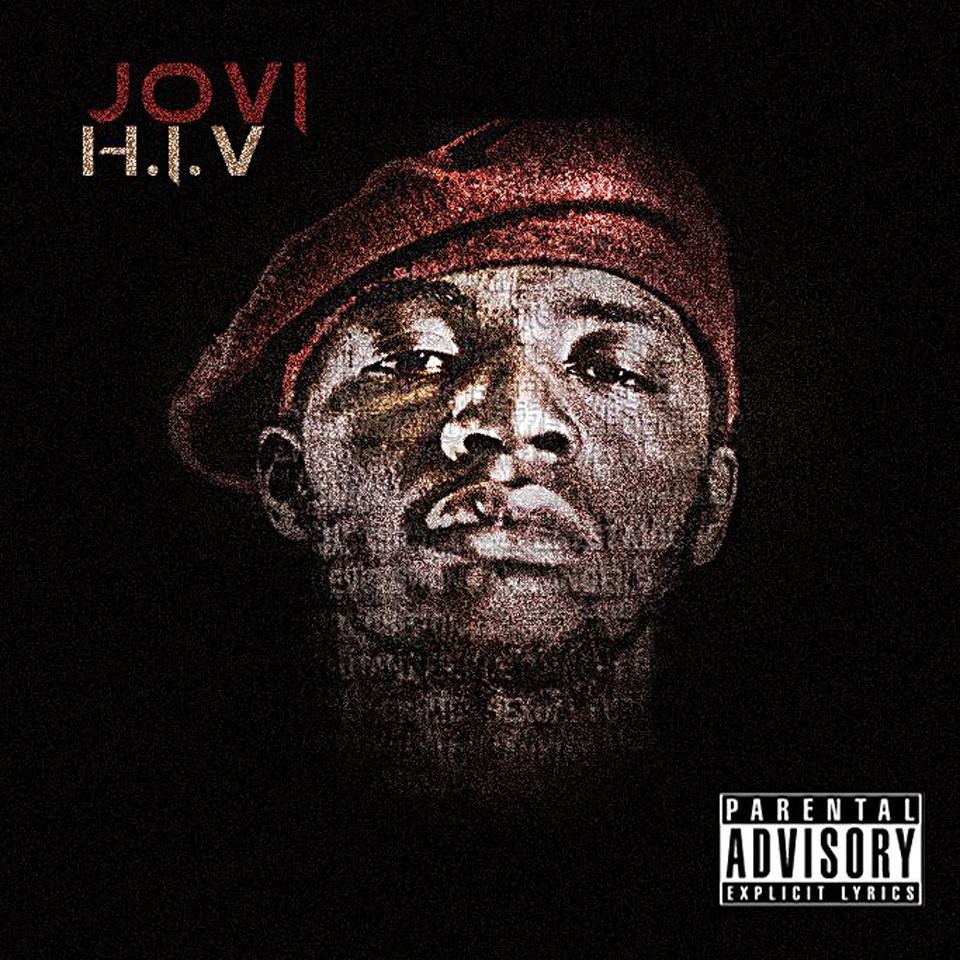
Jovi: A New Chapter in Cameroonian Hiphop

Last year, the Cameroonian hip-hop scene took a major step in consolidating its place in the African hip-hop world with MuMak’s release of Jovi’s self-produced debut album, H.I.V (Humanity Is Vanishing).   Before Jovi’s emergence, no solo Cameroonian hip-hop act, especially one rapping predominantly in pidgin (Cameroonian Creole), had penetrated the global hip-hop world, or had

Jovi: A New Chapter in Cameroonian Hiphop Read More »

Online Content

Undermining African Intellectual and Artistic Rights: Shakira, Zangalewa & the 2010 World Cup Anthem.

Dibussi dissects the cavalier attitude towards African intellectual property and indigenous natural resources plagiarized and/or exploited with little or no compensation, as well as the ramifications thereof.

Undermining African Intellectual and Artistic Rights: Shakira, Zangalewa & the 2010 World Cup Anthem. Read More »

Online Content

Editorial 03

For many, the “boom generation” of Latin American writing (1960s and 1970s) which ushered in huge international recognition of  Latin America serves as a mixed blessing because, on the one hand it produced writers like as Alejo Carpentier, Julio Cortázar, Carlos Fuentes, Mario Vargas Llosa, and Isabel Allende, and on the other, it created a

Editorial 03 Read More »

Online Content

Editorial 02

A new partnership marked the beginning of the year, as The Ofi Press Magazine, edited by Jack Little, joined forces with Bakwa and there is a collaborative issue forthcoming in December, wherein Bakwa will showcase Mexican writers while the Ofi Press will feature West African writers. This issue takes us on a journey to the

Editorial 02 Read More »

Online Content

Q & A with Ntone Edjabe on Chimurenga, Fela, and Politics

“By developing editorial projects together and assisting each other in areas such as distribution, we quietly mainstream our own aesthetics and reduce our dependency on the global publishing system” Ntone Edjabe   Interviewed by Dzekashu MacViban   Ntone Edjabe was born in Douala and he moved to Lagos where he began his studies. In 1993

Q & A with Ntone Edjabe on Chimurenga, Fela, and Politics Read More »

Online Content

Joyce Ashuntantang: Foreign Publishers Determine the Nature of our Stories

“As long as foreign publishers remain the mid-wives of our stories, they will keep determining the nature of these stories.” Joyce Ashuntantang Interviewed by Dibussi Tande   In 2009, Joyce Ashuntantang published a book titled Landscaping Postcoloniality: The Dissemination of Anglophone Cameroon Literature which Bernth Lindfors describes as the “most comprehensive study of Anglophone Cameroon

Joyce Ashuntantang: Foreign Publishers Determine the Nature of our Stories Read More »